Dinner can feel complicated when your teeth are tender from braces. Biting down sends a quick reminder that things are shifting, talking feels a little different, and every bracket suddenly feels bigger than it did in the chair. Families who visit Farnsworth Family Orthodontics in Lubbock, San Angelo, and Clovis describe that same mix of pressure and rubbing in the first few days or after an adjustment.
Dr. Farnsworth, Dr. McBeth, and Dr. Brimhall hear the same concern in Hobbs and Carlsbad, such as how do you manage braces soreness without letting it take over school, work, and regular life? A plan to manage braces soreness focuses on simple changes you can actually use between visits, so meals, practice, and busy weeks stay manageable while your teeth move.
Why Braces Soreness Feels Different From Mouth Irritation
Two separate problems often get lumped together:
- Tooth soreness (pressure soreness): Your teeth feel tender to bite on, even if nothing looks wrong. This often peaks 24 to 72 hours after getting braces or after an adjustment.
- Soft-tissue irritation: Brackets or a pokey wire rub your cheeks or lips, causing a raw spot.
Your solution depends on which one you have. Wax helps with rubbing. Soft foods help with biting tenderness. A “one tip fits all” approach wastes time.
The First 7 Days With A Simple Timeline That Matches Real Life
The first seven days set the tone for how you feel with your braces. Patients in Lubbock, San Angelo, Clovis, Hobbs, and Carlsbad tend to notice the same pattern, so this timeline breaks down what usually happens and how to manage braces soreness before it starts to ruin your day.
Hours 1–6: Set Yourself Up Before It Gets Annoying
- Focus on reducing friction and making meals easier.
- Rinse with cool water after meals to clear food that loves to hide around brackets.
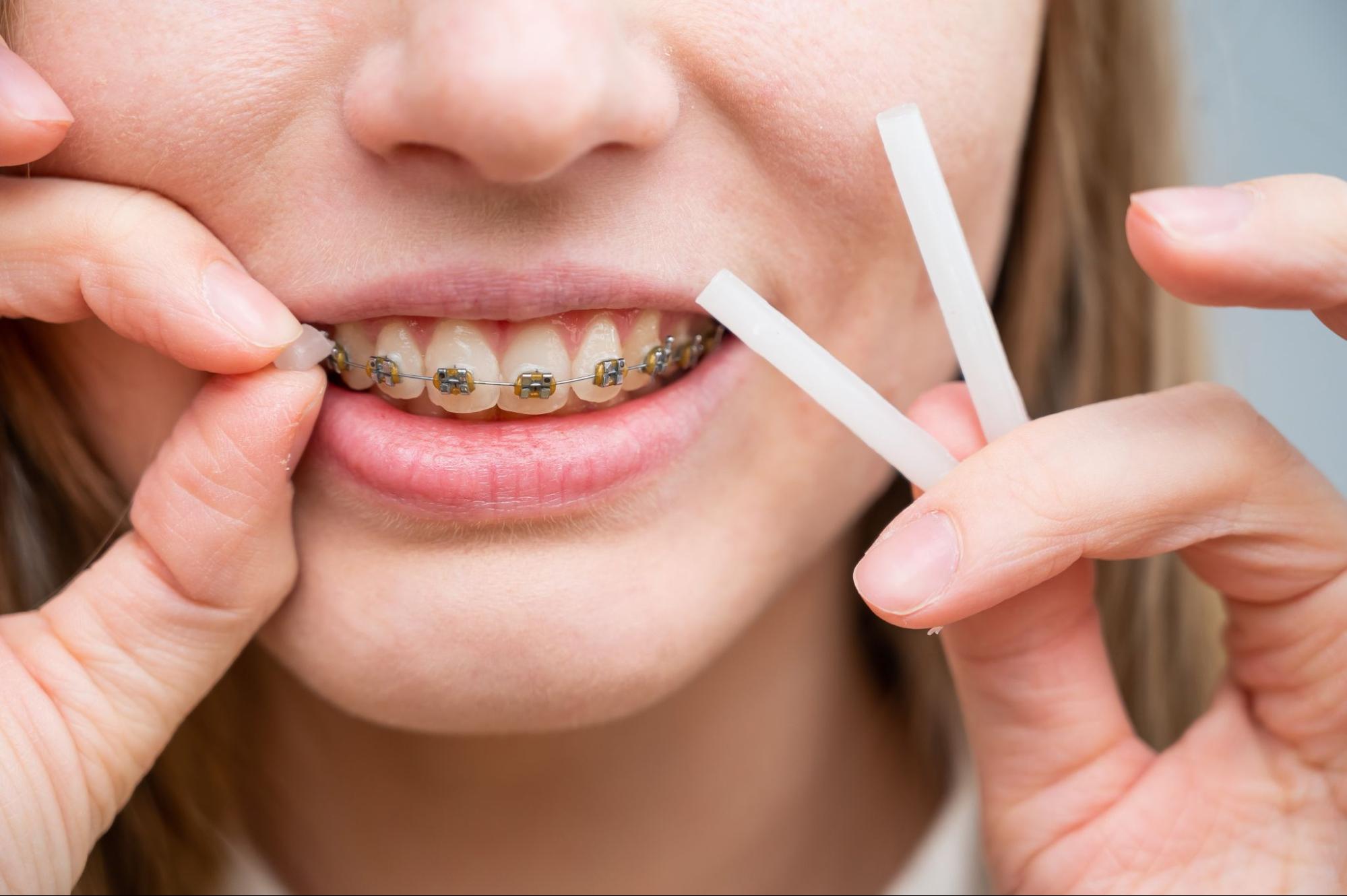
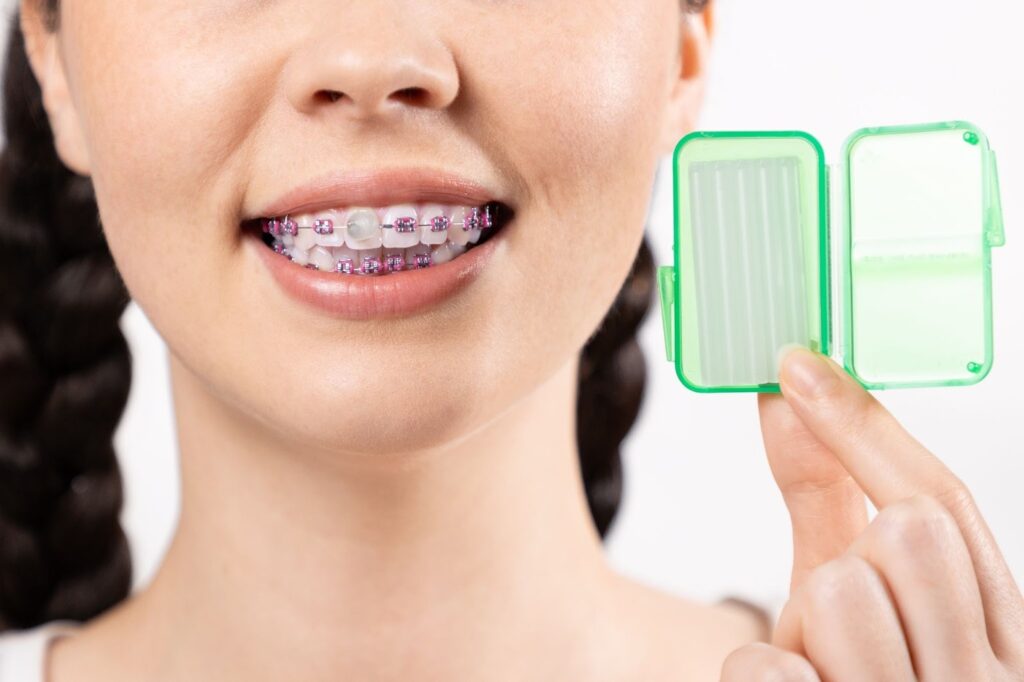
- Put orthodontic wax on any bracket that already feels like it’s rubbing.
Keep meals soft and “no effort”: yogurt, smoothies, scrambled eggs, mac and cheese, mashed potatoes.
Pack a small kit before school starts. A tiny mirror and a travel toothbrush do more than good intentions.
Day 1–3: The Peak Tenderness Window
This is when people text, “Is this normal?” Most of the time, yes.
What helps most:
- Soft chewing, not zero chewing. Completely avoiding chewing can keep you feeling stiff. Try small bites of soft foods and chew slowly.
- Cold helps when gums feel puffy. Ice water, a cold smoothie, or a chilled spoon pressed gently on the outside of the cheek can calm things down.
- Warm saltwater rinses help when tissues feel raw. The American Association of Orthodontists lists warm saltwater rinses as a common at-home option for irritation and soreness.
Day 4–7: The Turnaround
- Biting usually starts to feel easier. Irritation can linger if a bracket keeps rubbing.
- If you still cannot chew anything but mashed potatoes by day 7, call the office. A wire might need a quick tweak.
What To Do On Tightening Days So You Don’t Lose Your Whole Afternoon
Adjustments often bring a shorter “mini-sore” window. Planning around it makes a big difference.
Try this schedule:
- Eat a normal meal before your visit if you can.
- Plan soft dinner options for that night.
- Avoid scheduling a big steak dinner, crunchy tacos, or popcorn at the movie theater right after an adjustment.
People in San Angelo sometimes come in right before a busy week of school events or work travel. People in Hobbs might schedule around shift work. The strategy stays the same: make the first meal after an adjustment easy.
What Works When Chewing Feels Tender
Soft foods show up on every braces list, yet they still need enough protein and staying power, or you will end up dragging through the day.
Better soft-food options that keep you full:
- Greek yogurt with peanut butter
- Scrambled eggs with cheese
- Slow-cooked shredded chicken, chopped small
- Beans and rice
- Cottage cheese with fruit
- Protein smoothies with oats
Foods that usually cause problems with braces:
- Hard chips, pretzels, crusty bread
- Sticky candy, gum
- Crunchy raw carrots or apples, unless sliced thin
Make Wax Work Instead Of Falling Off in 10 Minutes
Wax frustrates people when they apply it to a wet bracket, and it slides right off.
Do this instead:
- Dry the bracket area with a tissue or gauze.
- Roll a small piece of wax into a ball.
- Press it onto the bracket like you’re sealing the edges.
- Replace after meals and brushing.
Wax works best for rubbing, not for tooth soreness. If your teeth hurt when biting, wax won’t change that.
If you live in Lubbock and you’re grabbing something quick near Milwaukee Ave, think “soft bowl” instead of “crunchy wrap” for a couple of days.
Sports, Band, And Busy Schedules With Braces
Sports, practice, work, and school do not stop just because your teeth feel sore. It’s helpful to know how to keep their routine going without making their mouth feel worse, so this is where a few small adjustments help a lot.
If You Play Sports
Contact sports and braces mix better when your mouth is protected. A stray elbow during a basketball game or a bump during soccer can push lips into brackets and leave them sore for days. A mouthguard made to fit over braces gives the brackets some padding and usually feels more comfortable than trying to use a tight, regular guard. Ask about options that work with your sport and level of contact.
If You Play A Wind Instrument
Clarinet, saxophone, trumpet, and similar instruments can press your lips against the brackets, especially in the first few weeks. A thin layer of wax over the front brackets takes the edge off that pressure. Some musicians also use flexible lip protectors made for braces. Shorter practice blocks with breaks in between often feel better than one long session when your mouth is still adjusting.
If You Talk All Day For Work
Teachers, nurses, and anyone in a customer-facing job spend hours talking, which means more rubbing on the cheeks and lips. Keeping water nearby, using wax on the brackets that feel rough, and doing a quick warm saltwater rinse at lunch can calm irritation before it turns into a sore spot. A small kit in your bag or desk makes it easy to adjust things on a busy day instead of pushing through and feeling miserable by the time you get home.
When Soreness Isn’t “Normal”: Call for These Signs
A quick check can save you days of irritation. Call Farnsworth Family Orthodontics if you notice:
- A wire poking your cheek that wax can’t cover
- A bracket that feels loose or spins
- A sore spot that keeps reopening in the same place
- Pain that spikes sharply instead of gradually fading after a few days
- You cannot eat soft foods by day 7 after getting braces
Contact Farnsworth Family Orthodontics About Braces Soreness
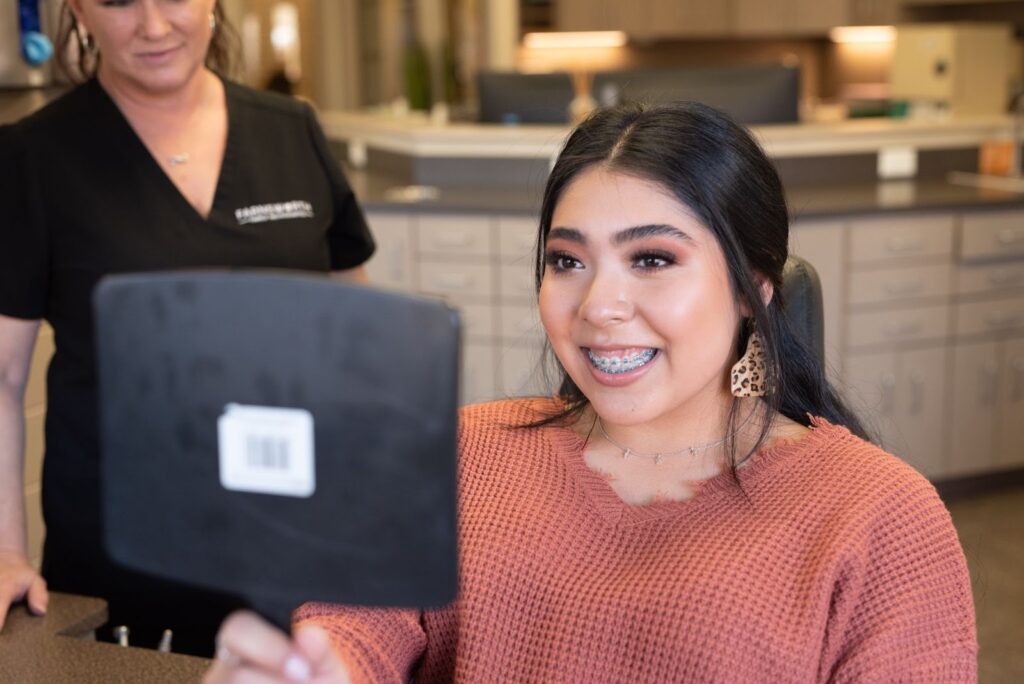
If you feel unsure about how your mouth feels or you keep guessing whether the soreness is normal, reach out to Farnsworth Family Orthodontics. The team in Lubbock, Carlsbad, San Angelo, Clovis, and Hobbs can listen to what you are feeling, talk through simple at-home steps, and set up a quick visit if something needs adjusting.
When you want a plan to manage braces soreness that fits your schedule, call the office to request an appointment so Dr. Farnsworth and Dr. Brimhall can help you get back to eating, talking, and smiling.